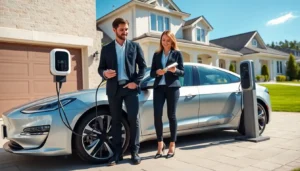
What is an electric vehicle? An electric vehicle (EV) uses electricity instead of gasoline to power its motor. These vehicles store energy in rechargeable battery packs and produce zero direct emissions while driving.
Electric vehicles have grown from a niche technology into a mainstream transportation option. Global EV sales exceeded 14 million units in 2023, representing about 18% of all new car sales worldwide. Major automakers now offer multiple electric models across sedans, SUVs, trucks, and compact cars.
This guide explains how electric vehicles work, the different types available, their benefits, and what buyers should consider before making a purchase. Whether someone is curious about the technology or actively shopping for their first EV, this article covers the essentials.
Table of Contents
ToggleKey Takeaways
- An electric vehicle (EV) uses rechargeable battery packs and electric motors instead of gasoline, producing zero direct emissions while driving.
- Battery electric vehicles (BEVs), plug-in hybrids (PHEVs), standard hybrids (HEVs), and fuel cell vehicles (FCEVs) each serve different driver needs and lifestyles.
- Electric vehicles cost approximately $0.04 per mile to operate compared to $0.12-0.15 for gas cars, saving thousands over the vehicle’s lifetime.
- Most modern EVs offer 200-300 miles of range per charge, with premium models exceeding 400 miles—enough for daily commutes and most road trips.
- Federal tax credits up to $7,500 plus state incentives can significantly reduce the upfront cost of purchasing an electric vehicle.
- Home charging installation costs $500-2,000 and allows convenient overnight charging, though apartment dwellers may need to rely on public infrastructure.
How Electric Vehicles Work
Electric vehicles operate on a simpler mechanical system than traditional gas-powered cars. The core components include a battery pack, electric motor, and power electronics.
The battery pack stores electrical energy, typically using lithium-ion cells. Modern EV batteries range from 40 kWh to over 100 kWh in capacity. Larger batteries provide longer driving range but add weight and cost.
The electric motor converts stored electrical energy into mechanical motion. Electric motors deliver instant torque, which means quick acceleration from a standstill. Most electric vehicles use AC induction motors or permanent magnet motors.
Power electronics manage the flow of electricity between the battery and motor. An inverter converts DC power from the battery into AC power for the motor. A charge controller regulates energy flow during charging.
When a driver presses the accelerator, the motor draws power from the battery. When the driver brakes, many electric vehicles capture that kinetic energy through regenerative braking. This system converts motion back into electricity and returns it to the battery, extending driving range.
Charging an electric vehicle works much like charging a phone, just on a larger scale. Drivers can plug into home outlets, dedicated home chargers, or public charging stations. Level 1 charging uses standard 120V outlets and adds about 3-5 miles of range per hour. Level 2 charging uses 240V and provides 15-30 miles per hour. DC fast charging can add 100+ miles in 20-30 minutes.
Types of Electric Vehicles
The term “electric vehicle” covers several distinct categories. Understanding these differences helps buyers choose the right option for their needs.
Battery Electric Vehicles (BEVs)
Battery electric vehicles run entirely on electricity. They have no gasoline engine, no fuel tank, and no tailpipe emissions. Popular BEVs include the Tesla Model 3, Chevrolet Bolt, and Ford Mustang Mach-E.
BEVs offer the purest electric driving experience. Owners never visit gas stations and enjoy the lowest operating costs. But, they depend completely on charging infrastructure and battery range.
Plug-in Hybrid Electric Vehicles (PHEVs)
Plug-in hybrids combine an electric motor with a traditional gasoline engine. They can drive 20-50 miles on electric power alone before the gas engine activates. The Toyota RAV4 Prime and BMW X5 xDrive50e are examples.
PHEVs work well for drivers who want electric commuting but need gasoline backup for longer trips. They require both charging and occasional fuel stops.
Hybrid Electric Vehicles (HEVs)
Standard hybrids use electric motors to assist their gasoline engines but cannot plug in to charge. The battery recharges through regenerative braking and the gas engine. The Toyota Prius pioneered this category.
HEVs improve fuel efficiency compared to conventional cars but don’t offer pure electric driving. Many buyers consider them a stepping stone to full electric vehicles.
Fuel Cell Electric Vehicles (FCEVs)
Fuel cell vehicles generate electricity from hydrogen gas. They emit only water vapor and offer quick refueling times. The Toyota Mirai and Hyundai Nexo use this technology.
FCEVs remain rare due to limited hydrogen refueling stations. They’re most practical in regions with developed hydrogen infrastructure, like parts of California.
Benefits of Driving an Electric Vehicle
Electric vehicles offer several advantages over traditional gasoline cars. These benefits span environmental, financial, and practical considerations.
Lower Operating Costs
Electricity costs less than gasoline per mile driven. The average EV driver spends about $0.04 per mile on fuel, compared to $0.12-0.15 for gas vehicles. Over 100,000 miles, that difference adds up to thousands of dollars.
Electric vehicles also require less maintenance. They don’t need oil changes, spark plug replacements, or transmission fluid services. Brake pads last longer thanks to regenerative braking. The main long-term expense is eventual battery replacement, though most batteries outlast the vehicles themselves.
Environmental Impact
Battery electric vehicles produce zero tailpipe emissions. Even when accounting for electricity generation, EVs typically produce fewer total emissions than gas cars. This advantage grows as electrical grids add more renewable energy sources.
In 2024, the average U.S. electric vehicle produced about 40% fewer lifecycle emissions than a comparable gasoline car. In states with clean grids like California, Washington, and New York, the difference exceeds 60%.
Performance and Driving Experience
Electric motors deliver instant torque, creating responsive acceleration. Many drivers find electric vehicles more enjoyable to drive than gas cars. The quiet cabin and smooth power delivery add to the experience.
Electric vehicles also have a lower center of gravity due to floor-mounted batteries. This placement improves handling and stability.
Incentives and Tax Credits
The U.S. federal government offers tax credits up to $7,500 for qualifying new electric vehicles. Many states add their own incentives, including rebates, reduced registration fees, and HOV lane access. These programs make electric vehicles more affordable for many buyers.
Challenges and Considerations
Electric vehicles aren’t perfect for every situation. Potential buyers should weigh these factors before committing.
Range and Charging Infrastructure
Range anxiety remains a concern for some drivers. Most modern electric vehicles travel 200-300 miles per charge, with premium models exceeding 400 miles. That’s sufficient for daily driving and most road trips.
But, charging takes longer than filling a gas tank. Even fast chargers require 20-40 minutes for a significant charge. Road trips need more planning to account for charging stops. The U.S. had about 64,000 public charging stations in 2024, but coverage varies by region. Rural areas often have fewer options.
Upfront Cost
Electric vehicles typically cost more than comparable gas cars. A base model BEV might start at $35,000-45,000, while equivalent gas cars cost $25,000-35,000. Federal and state incentives help close this gap, but not all buyers qualify.
Used electric vehicles offer better value. Prices have dropped significantly as more EVs enter the market. A three-year-old EV often costs 40-50% less than new.
Home Charging Setup
Most EV owners prefer charging at home overnight. This works well for those with garages or driveways. Installing a Level 2 home charger costs $500-2,000 including equipment and electrical work.
Apartment dwellers and those without dedicated parking face challenges. They depend on workplace charging, public stations, or street-level chargers, options that vary widely by location.
Battery Degradation
EV batteries lose capacity over time, though modern batteries degrade slowly. Most manufacturers warranty batteries for 8 years or 100,000 miles. Studies show typical batteries retain 80-90% capacity after 200,000 miles.
Battery replacement costs have dropped significantly but remain expensive, typically $5,000-15,000 depending on the vehicle.