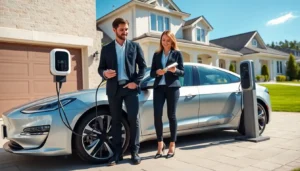
Electric vehicle strategies are reshaping how businesses, governments, and consumers approach transportation. The shift from gasoline-powered cars to battery-electric models represents one of the most significant changes in automotive history. In 2024, global EV sales exceeded 17 million units, a clear sign that this transition is accelerating faster than many predicted.
But here’s the thing: buying an electric car isn’t a strategy. A real electric vehicle strategy involves planning for infrastructure, understanding total cost of ownership, and aligning transportation choices with broader sustainability goals. Whether someone runs a fleet of delivery trucks or simply wants to reduce their carbon footprint, the right approach makes all the difference between a smooth transition and an expensive headache.
Table of Contents
ToggleKey Takeaways
- A successful electric vehicle strategy goes beyond buying an EV—it requires planning for infrastructure, calculating total cost of ownership, and aligning with sustainability goals.
- Battery costs have dropped 90% since 2010, and federal tax credits up to $7,500 make EVs more affordable than ever.
- Assess your current driving patterns and usage needs before transitioning to determine which vehicles to replace first.
- Plan charging infrastructure early—home or workplace Level 2 chargers can fully recharge most vehicles overnight.
- Start with pilot programs of 5-10 vehicles to uncover real-world challenges before committing to a full fleet transition.
- Build flexibility into long-term electric vehicle strategies as battery technology, government policies, and energy costs continue to evolve.
Understanding the Electric Vehicle Landscape
The electric vehicle market has evolved dramatically over the past decade. What started as a niche product for early adopters has become a mainstream option across multiple vehicle categories. Today, consumers can choose from compact cars, full-size SUVs, pickup trucks, and commercial vehicles, all powered by electricity.
Several factors drive this growth. Battery costs have dropped by approximately 90% since 2010, making EVs more affordable. Government incentives in the United States, Europe, and China provide additional financial motivation. And automakers have committed billions of dollars to electrification, with nearly every major brand offering multiple electric models.
Understanding the current landscape helps shape effective electric vehicle strategies. Three main types of electrified vehicles exist:
- Battery Electric Vehicles (BEVs): Run entirely on electricity with no gasoline engine
- Plug-in Hybrid Electric Vehicles (PHEVs): Combine a battery with a traditional engine
- Hybrid Electric Vehicles (HEVs): Use regenerative braking to charge a small battery but can’t plug in
For those serious about sustainability, BEVs offer the greatest environmental benefits. PHEVs work well for drivers who need occasional long-range capability but want to run on electricity most of the time.
The charging infrastructure continues to expand as well. Public charging stations in the U.S. grew to over 180,000 by late 2024. Fast-charging networks from companies like Tesla, Electrify America, and ChargePoint make long-distance travel increasingly practical.
Key Strategies for EV Adoption
Successful electric vehicle strategies share common elements, whether applied to personal transportation or corporate fleets.
Assess Current Needs and Usage Patterns
The first step involves analyzing how vehicles are actually used. Daily driving distances, typical routes, and charging opportunities all matter. A sales team covering 300 miles per day faces different considerations than a local delivery service averaging 50 miles.
Data collection provides the foundation. Track mileage, fuel costs, and maintenance expenses for existing vehicles. This baseline makes it easier to calculate potential savings and identify which vehicles make sense to replace first.
Calculate Total Cost of Ownership
EVs typically cost more upfront but less to operate over time. Electric vehicle strategies should account for:
- Purchase price minus available tax credits and incentives
- Electricity costs versus gasoline expenses
- Reduced maintenance (no oil changes, fewer brake replacements)
- Potential resale value
Many fleet operators find that EVs reach cost parity within 3-5 years. For high-mileage applications, the break-even point comes even sooner.
Plan for Charging Infrastructure
Charging access determines whether an EV transition succeeds or stalls. Home charging works well for individual owners, a Level 2 charger can fully recharge most vehicles overnight. Businesses need more comprehensive plans.
Workplace charging stations encourage employee adoption. Fleet depots require sufficient electrical capacity to charge multiple vehicles simultaneously. Route planning may need adjustment to incorporate public charging stops.
Start with Pilot Programs
Organizations benefit from testing electric vehicle strategies before committing fully. A pilot program with 5-10 vehicles reveals practical challenges that spreadsheet analysis might miss. Drivers provide feedback on range anxiety, charging convenience, and vehicle performance. These insights improve larger rollouts.
Overcoming Common Challenges
Every transition faces obstacles. Electric vehicle strategies must address several recurring concerns.
Range Anxiety
Fear of running out of charge remains a top concern, even though most modern EVs offer 250-350 miles of range. The solution combines education with infrastructure. Drivers who understand their actual daily needs, usually far less than maximum range, feel more confident. Access to reliable charging, whether at home or along common routes, eliminates most anxiety.
Upfront Costs
Electric vehicles carry higher sticker prices than comparable gas-powered models. But, federal tax credits up to $7,500 (for qualifying vehicles) narrow this gap significantly. State and local incentives add further savings. Leasing options reduce initial capital requirements for those hesitant about long-term commitments.
Charging Time
Gasoline fills a tank in five minutes. Even fast charging takes 20-30 minutes for a significant battery boost. Effective electric vehicle strategies work around this limitation rather than fighting it. Overnight charging at home or work eliminates waiting. Fast-charging stops align with natural breaks for meals or rest during road trips.
Grid Capacity Concerns
Will the electrical grid handle millions of EVs? This question comes up frequently. The answer: yes, with smart planning. Most charging happens overnight when demand is low. Time-of-use electricity rates encourage off-peak charging. Vehicle-to-grid technology may eventually allow EVs to support the grid during peak demand periods.
Building a Long-Term EV Transition Plan
Electric vehicle strategies work best when they extend beyond immediate needs. A phased approach allows for learning and adjustment.
Set Clear Milestones
Define specific targets: percentage of fleet electrified by certain dates, emissions reduction goals, or charging infrastructure deployment schedules. These milestones create accountability and help measure progress.
Budget for Infrastructure
Charging equipment, electrical upgrades, and installation represent significant investments. Include these costs in capital planning. Many utilities offer rebates or special commercial rates that reduce expenses.
Train Staff and Drivers
EVs behave differently than gas vehicles. Regenerative braking feels unfamiliar at first. Charging protocols require new habits. Training programs help drivers adapt and maximize efficiency.
Monitor and Optimize
Telematics systems track energy consumption, charging patterns, and vehicle utilization. This data reveals opportunities to improve electric vehicle strategies over time. Maybe certain routes need adjusted schedules. Perhaps some vehicles charge more efficiently than others.
Stay Flexible
Battery technology continues improving. New models offer better range and faster charging. Government policies shift. Electricity prices fluctuate. The best long-term plans build in flexibility to adapt as conditions change.